The Black Country Living Museum

 1940s street view. Black Country Living Museum
I visited the Black Country Living Museum in Dudley on 10 July 2026 when the temperature was 34°C. It was a similar temperature the day before when travelling from Scotland by train. It was too much for the overcrowded train’s air-conditioning.
The Black Country Living Museum is a remarkable open-air museum that spans 26 acres and brings the world’s first industrial landscape to life. Set inside a meticulously reconstructed period village, it tells the story of an area that became the powerhouse of the Industrial Revolution thanks to its rich deposits of coal, ironstone, and limestone.
The museum captures the gritty, everyday reality of working-class life in the West Midlands. Visitors can venture down a recreated underground coal mine, watch traditional chain-making demonstrations in a fiery forge, or grab a portion of famous fish and chips cooked traditionally in beef dripping (absolutely delicious). It is a place where history isn’t locked behind glass, making it the perfect backdrop for a nostalgic look at times gone by.
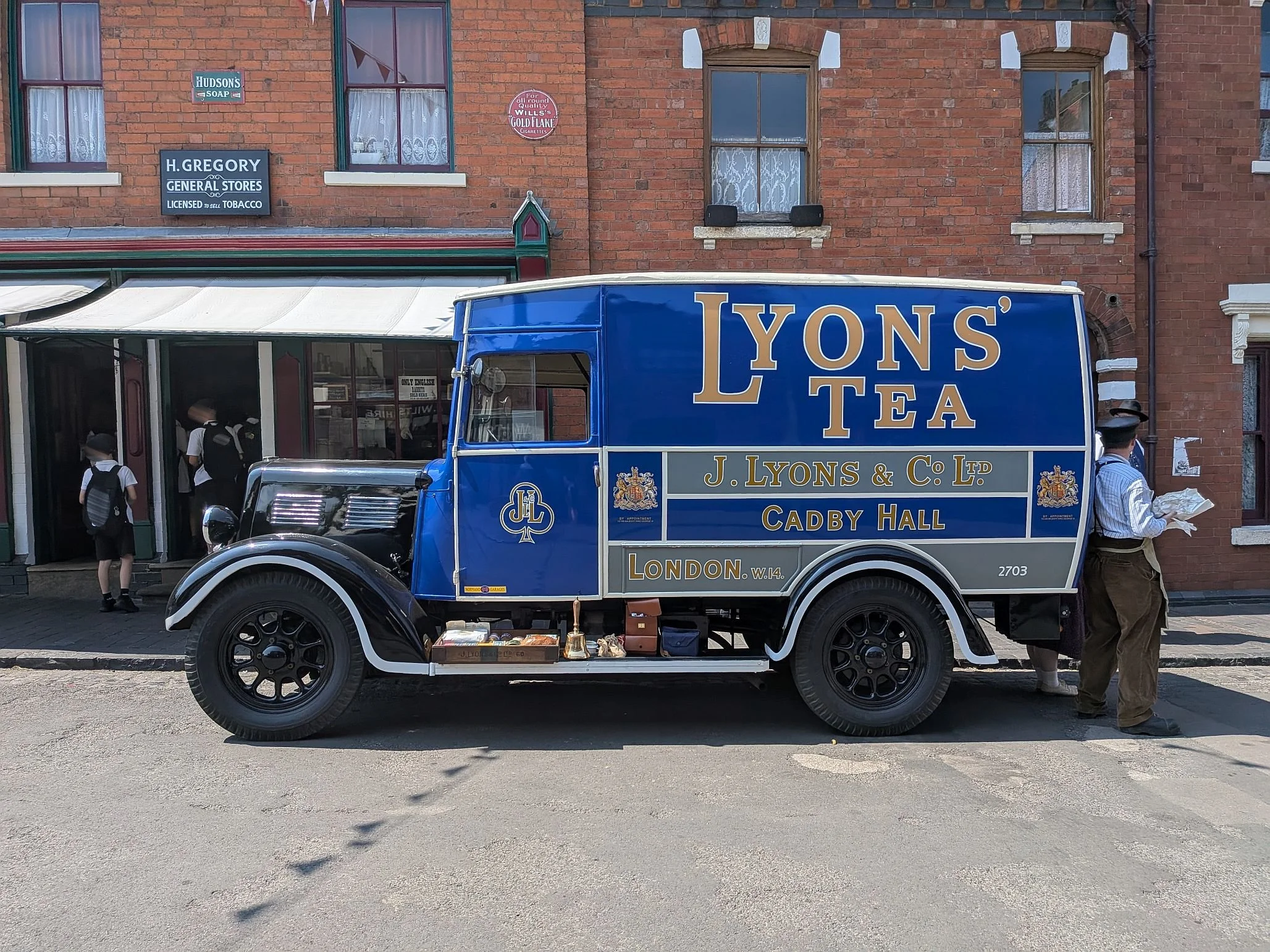
Lyons Tea Van. Commer N1 (1938): Black Country Living Museum
Click image to enlarge
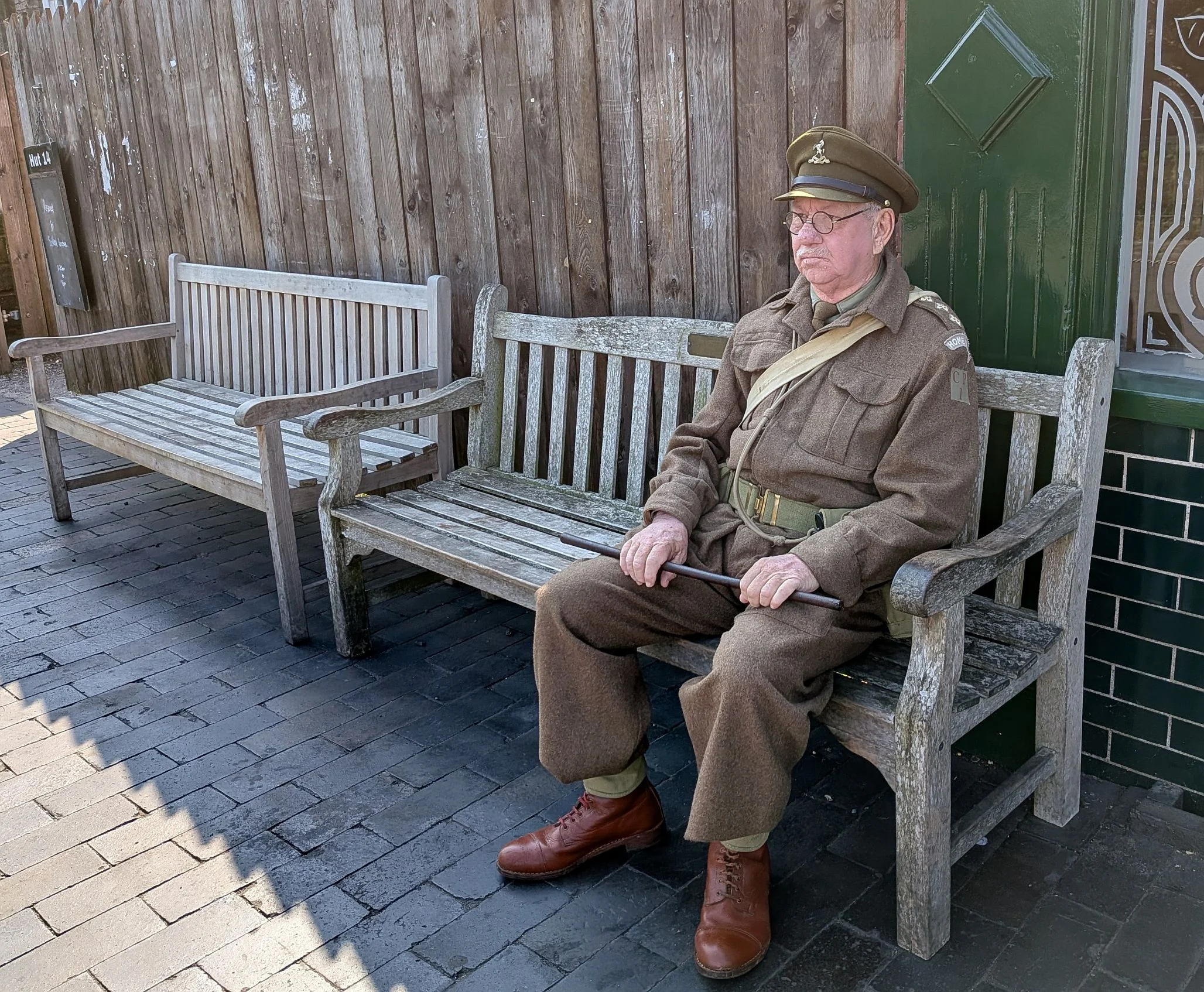
Captain Mainwaring lookalike: Black Country Living Museum
Click image to enlarge
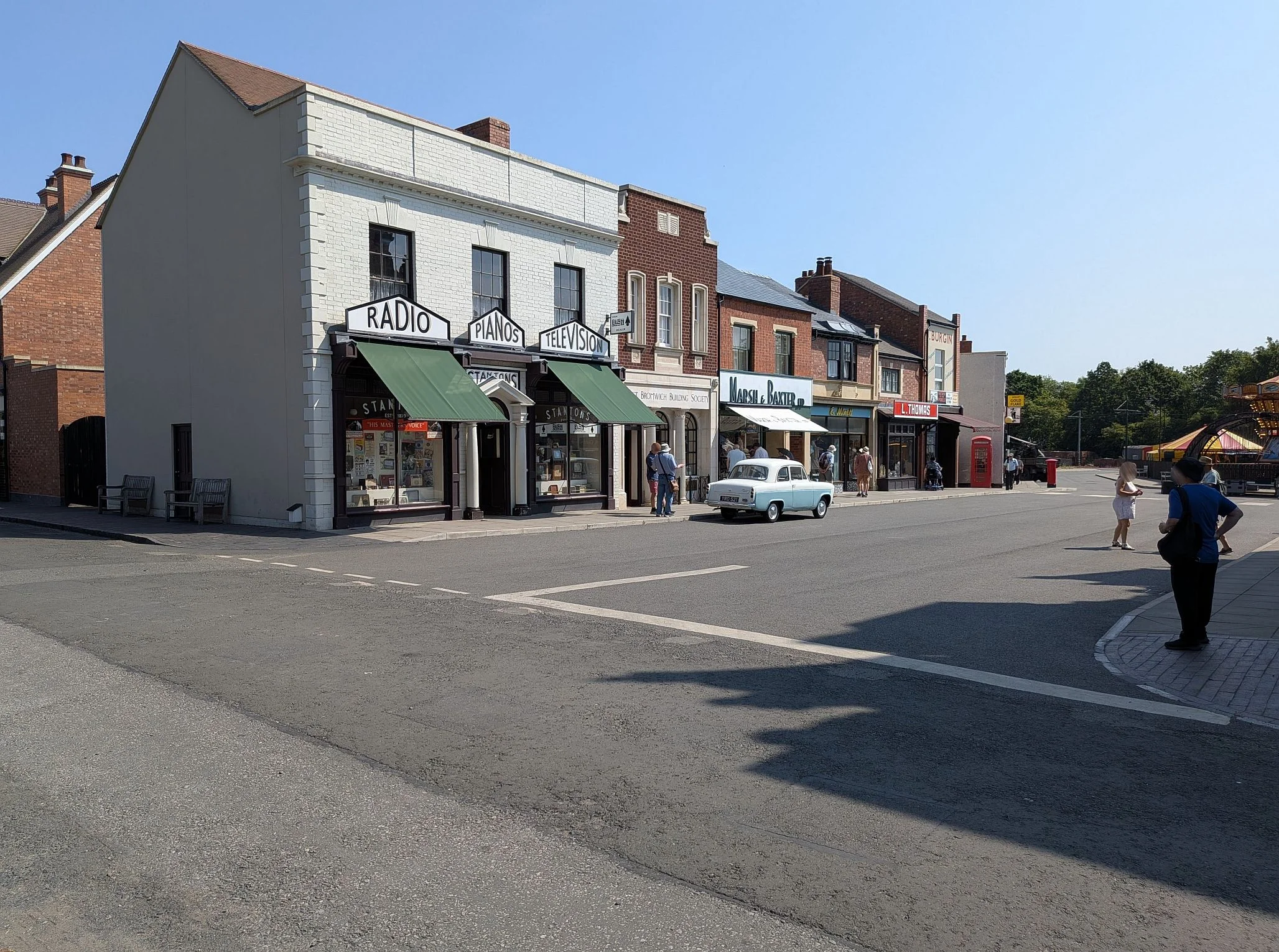
1940s/1960s street: Black Country Living Museum
Click image to enlarge
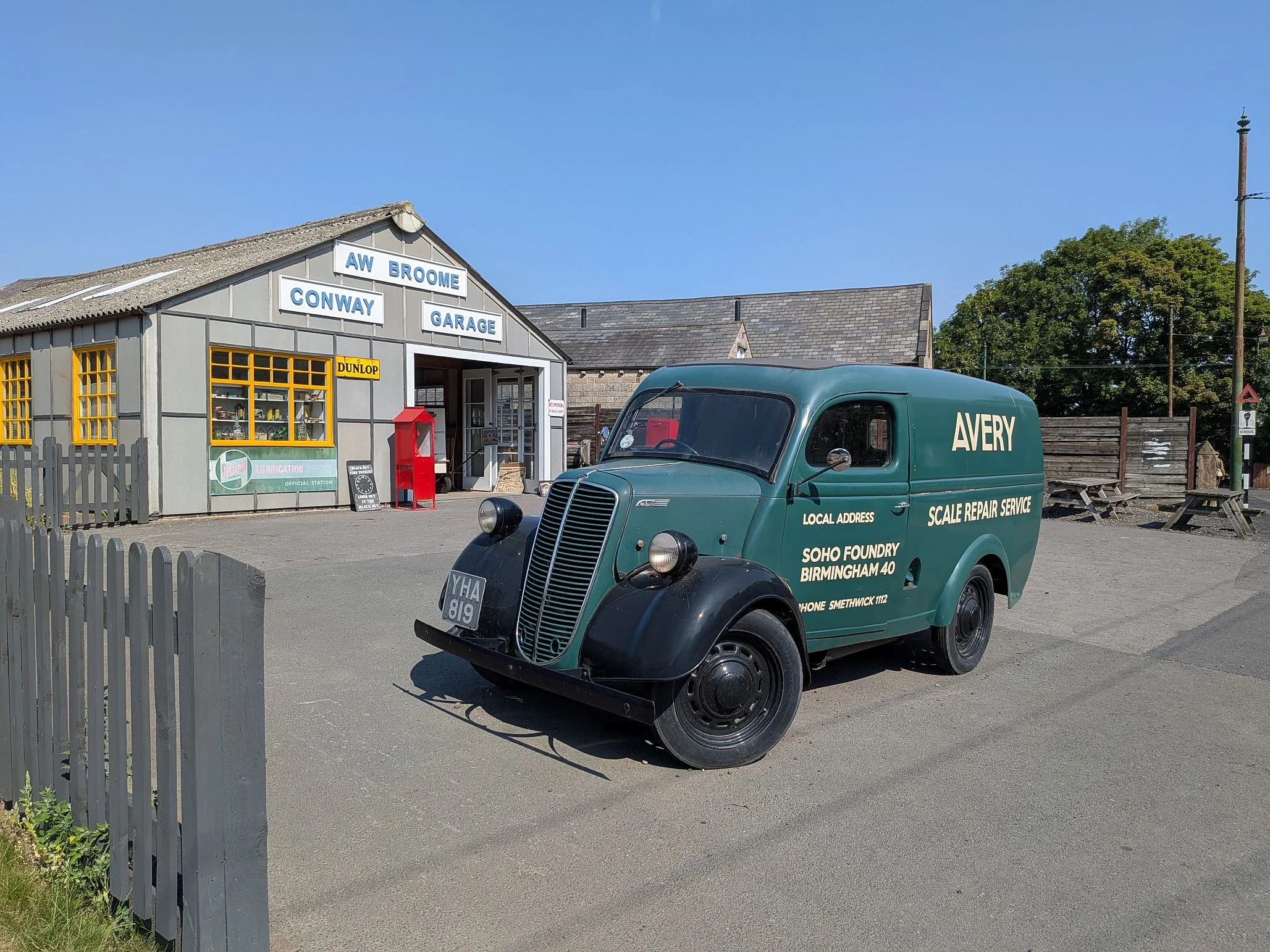
Ford E83W (1955): Black Country Living Museum
Click image to enlarge
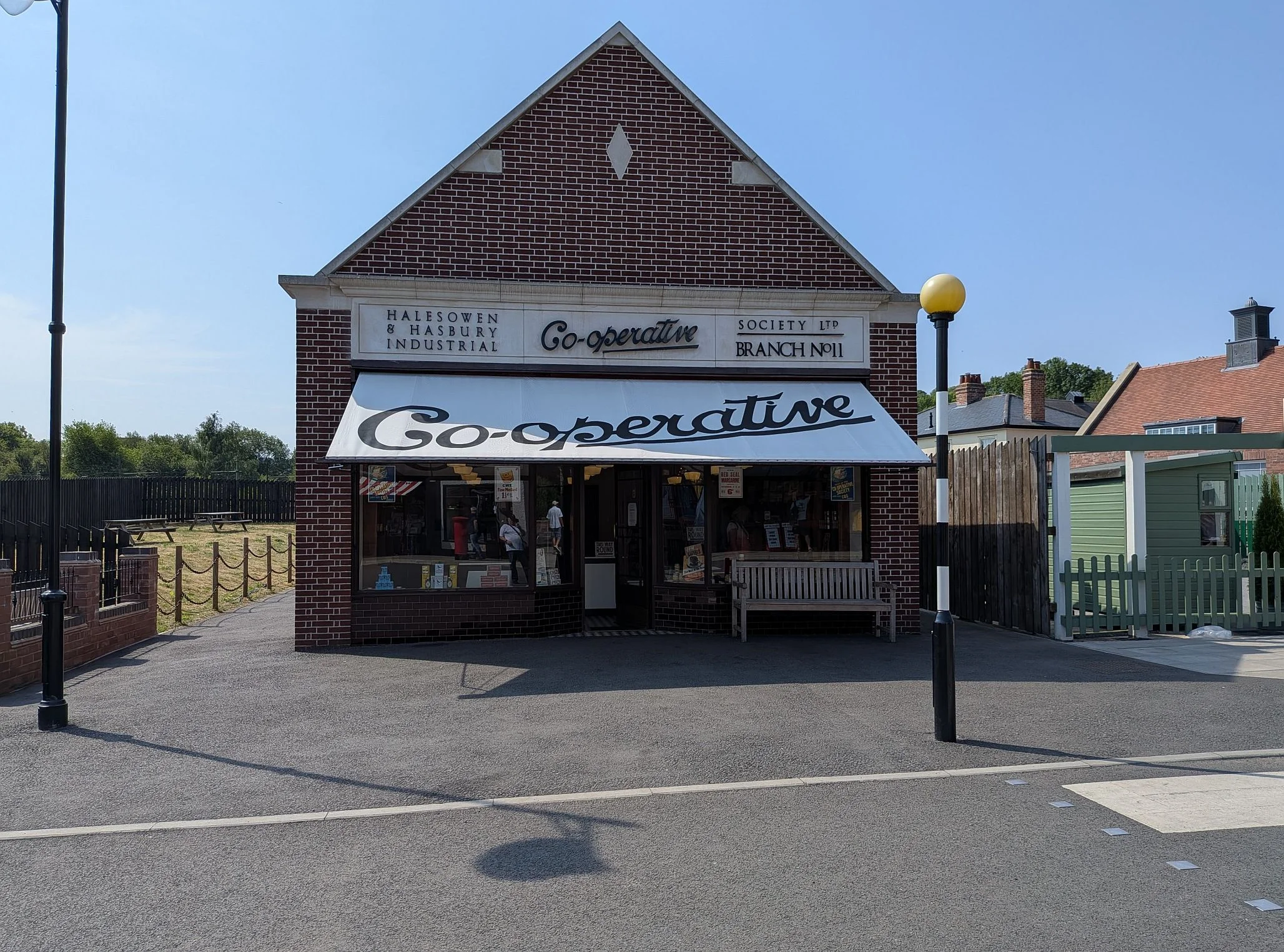
A 1940s Co-Operative grocery store: Black Country Living Museum
Click image to enlarge
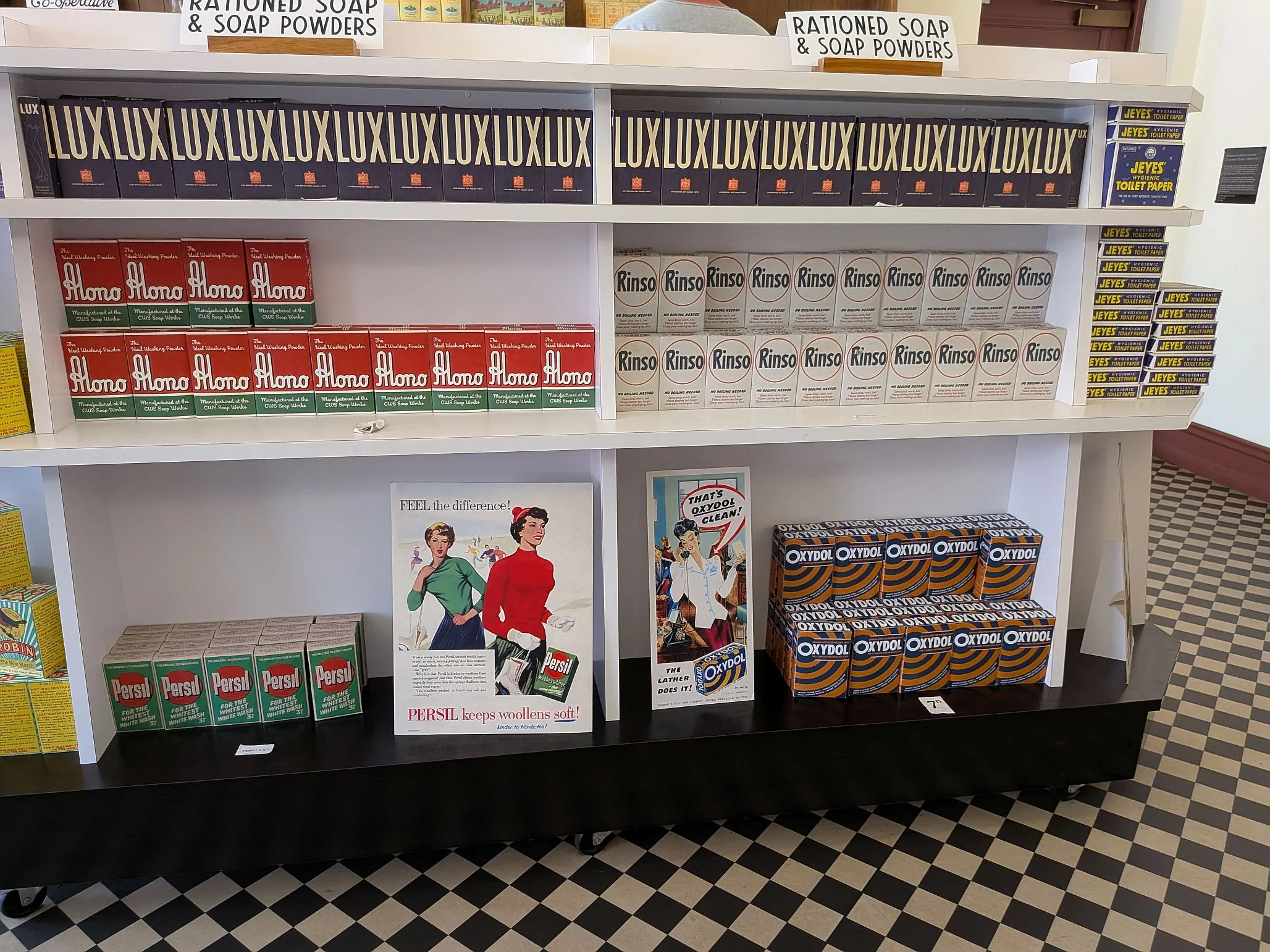
Interior of a 1940s Co-Operative grocery store: Black Country Living Museum
Click image to enlarge
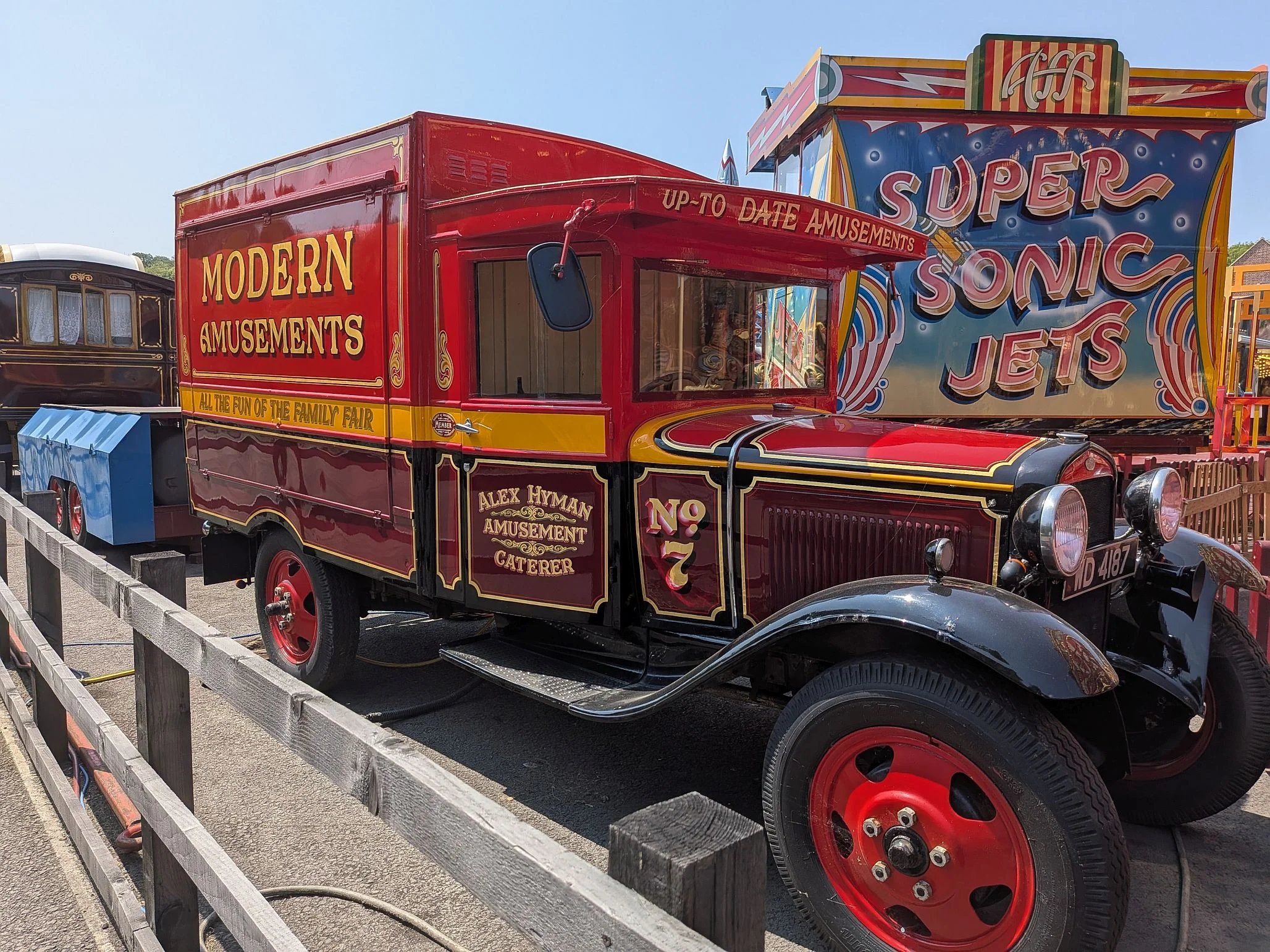
Ford Model AA (1932): Black Country Living Museum
Click image to enlarge
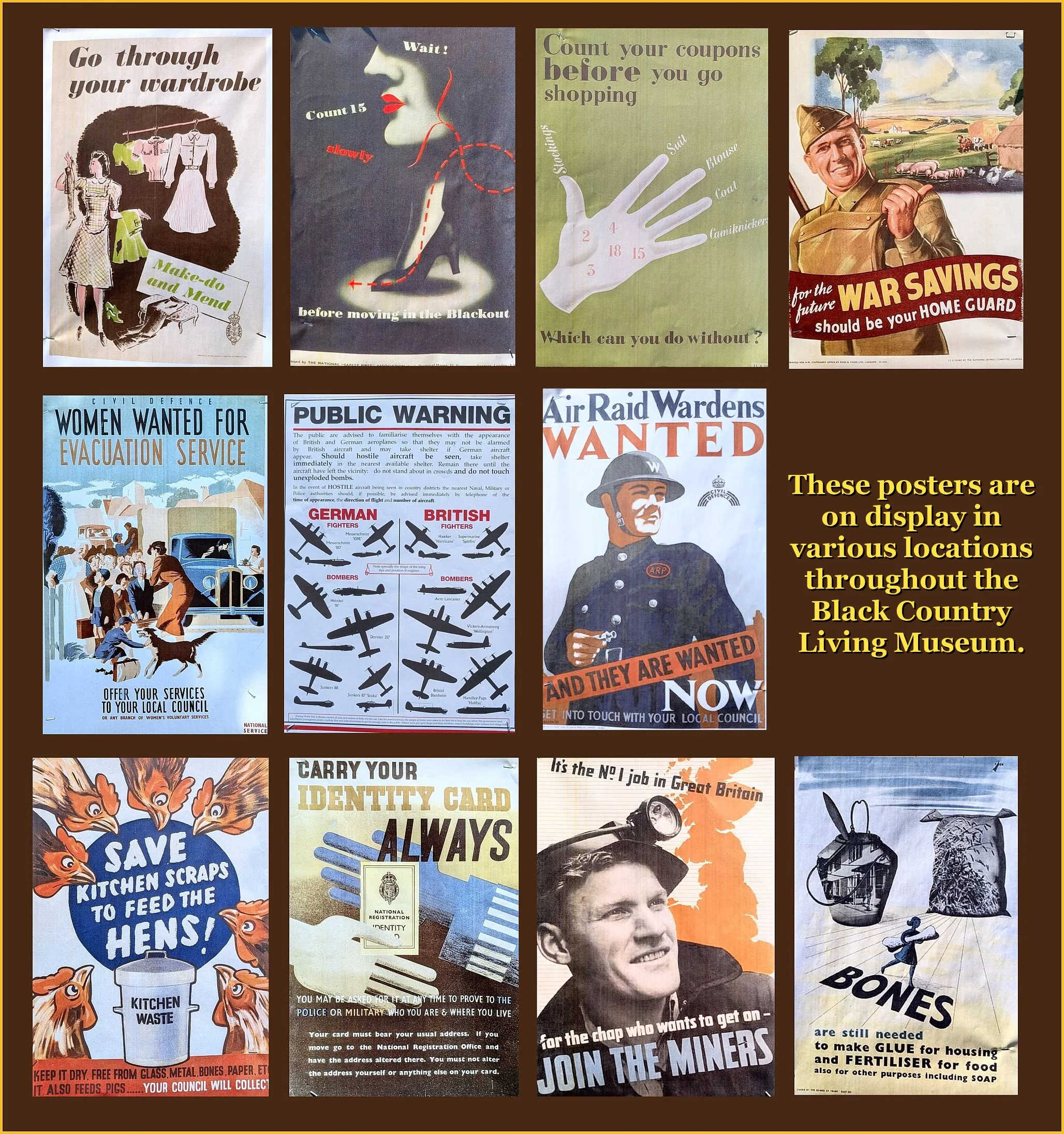
World War II posters: Black Country Living Museum
Click image to enlarge
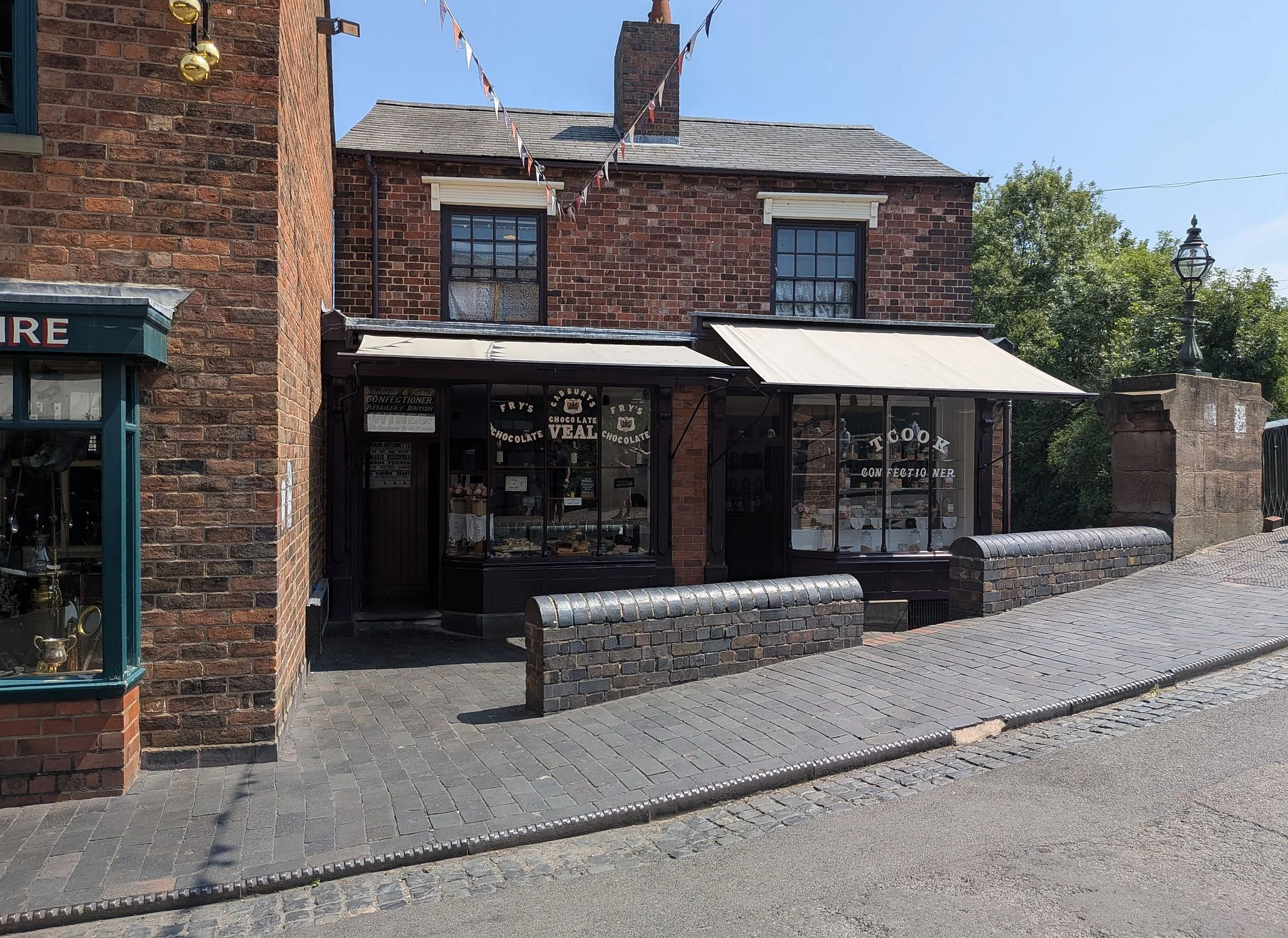
Small shops from the 1940s: Black Country Living Museum
Click image to enlarge
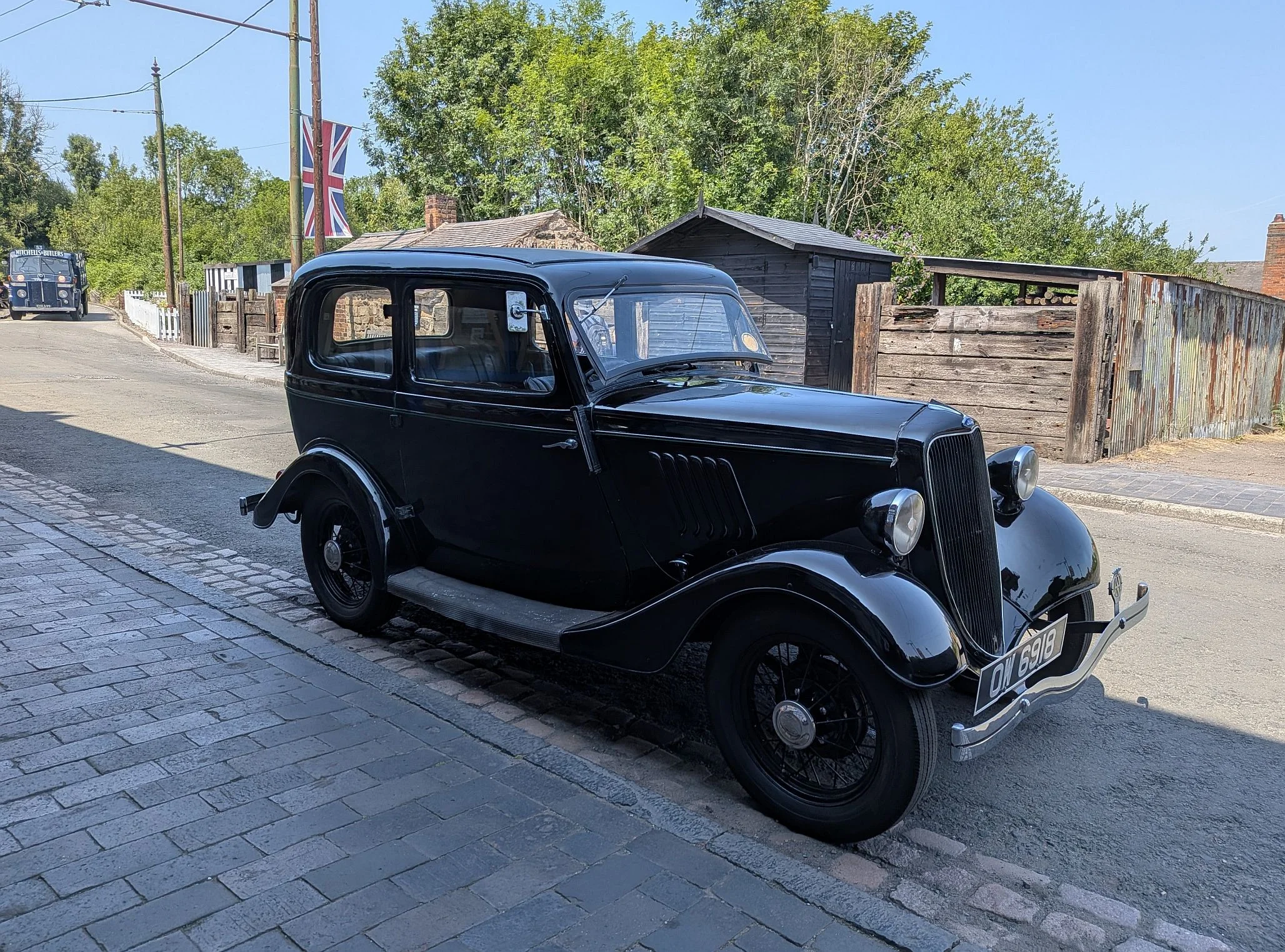
Ford Model Y (1937): Black Country Living Museum
Click image to enlarge
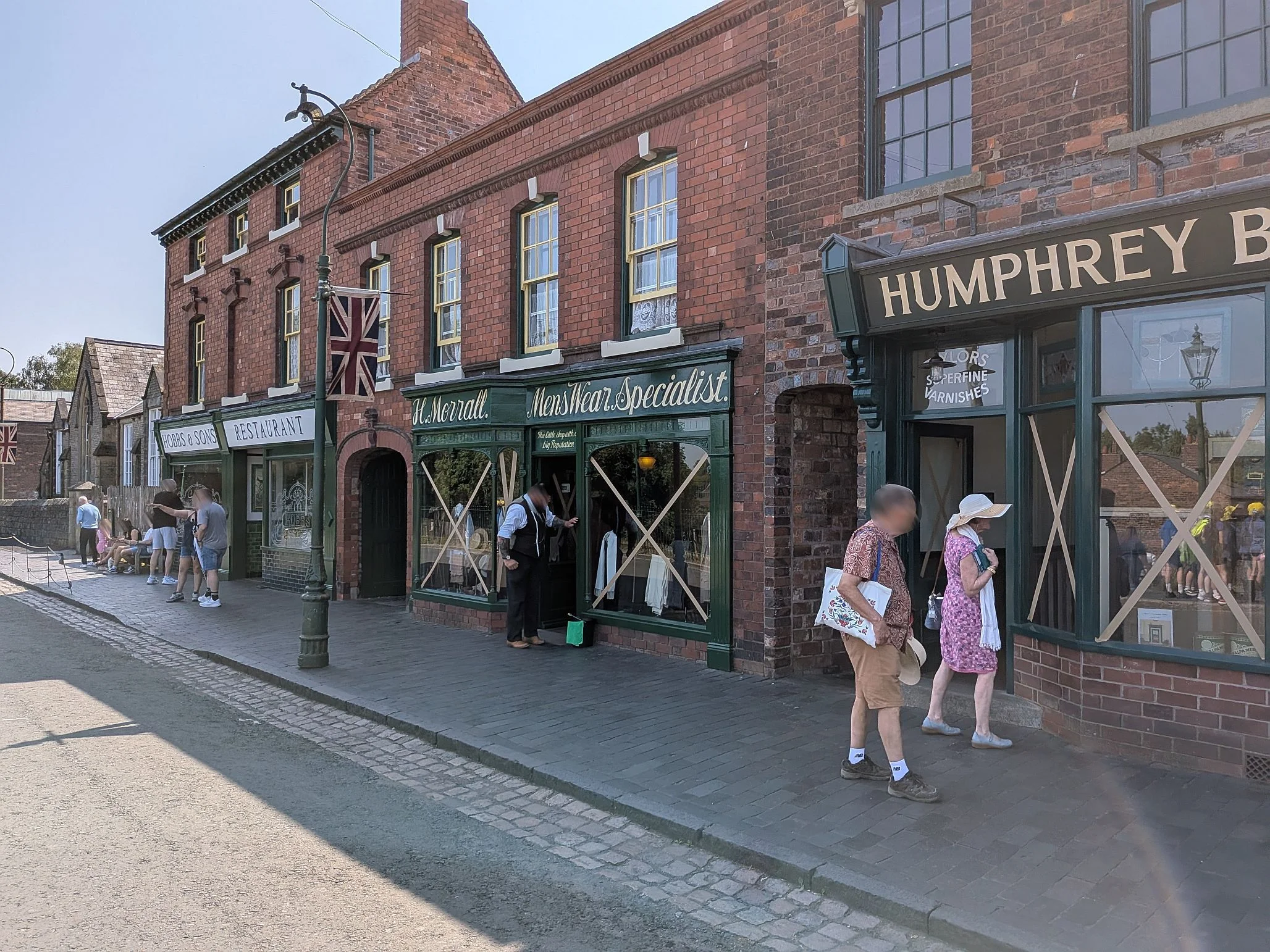
A 1940s street: Black Country Living Museum
Click image to enlarge
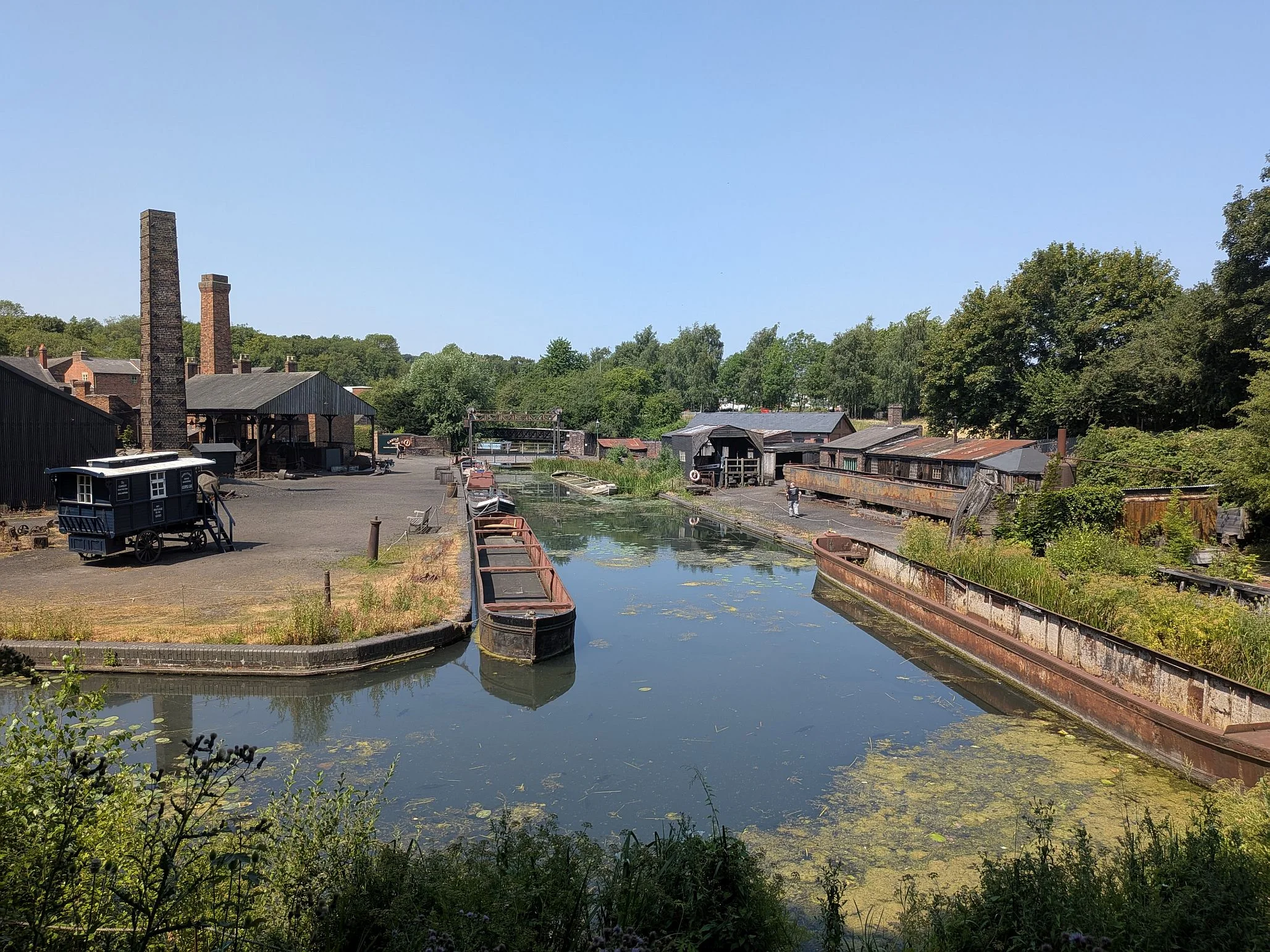
Lord Ward’s Canal Arm: Black Country Living Museum
Click image to enlarge
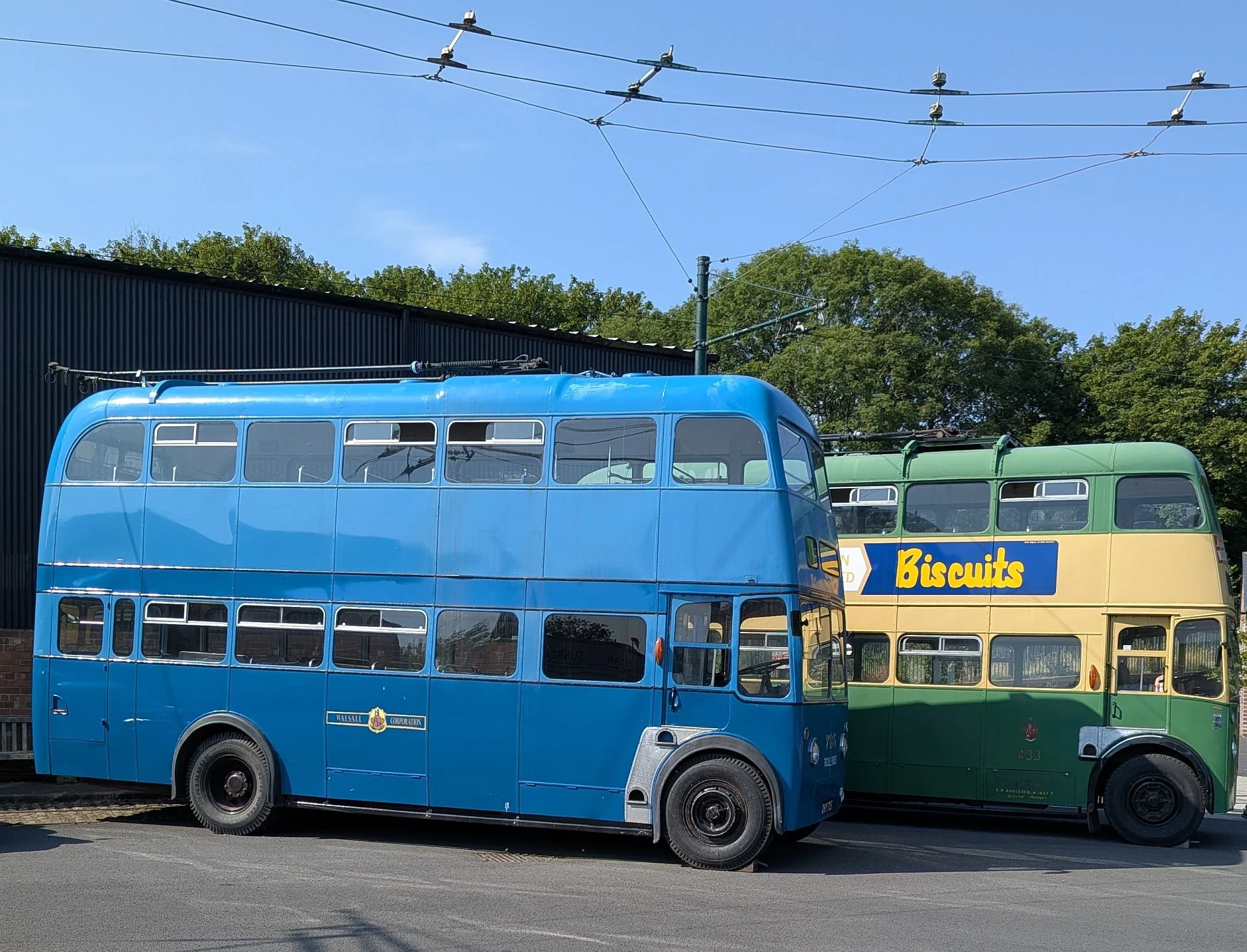
Trolleybuses: Blue Sunbeam F4A (1955), green/yellow Sunbeam W (1946)
Black Country Living Museum
Click image to enlarge
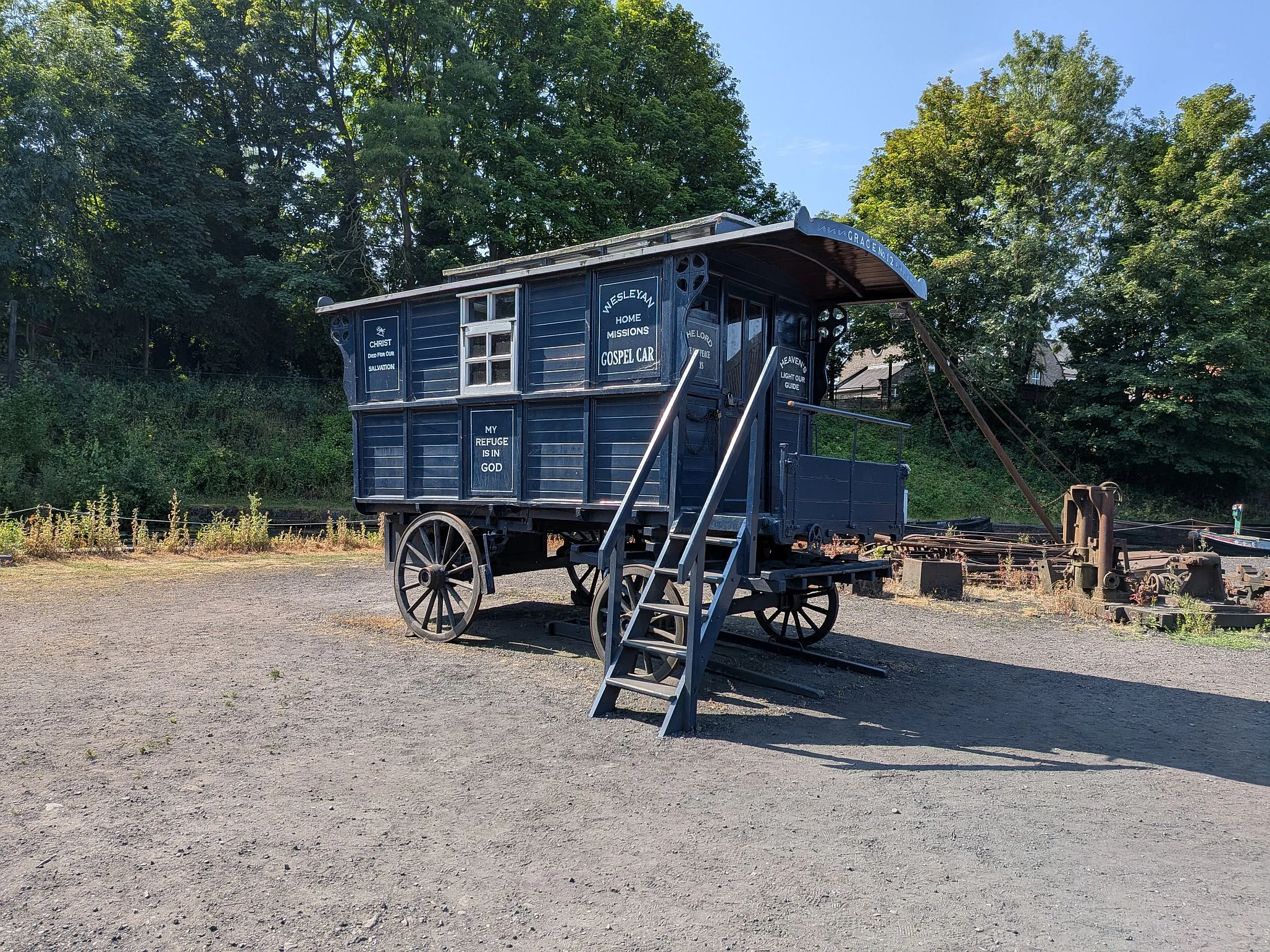
Wesleyan Home Missions gospel car: Black Country Living Museum
Click image to enlarge
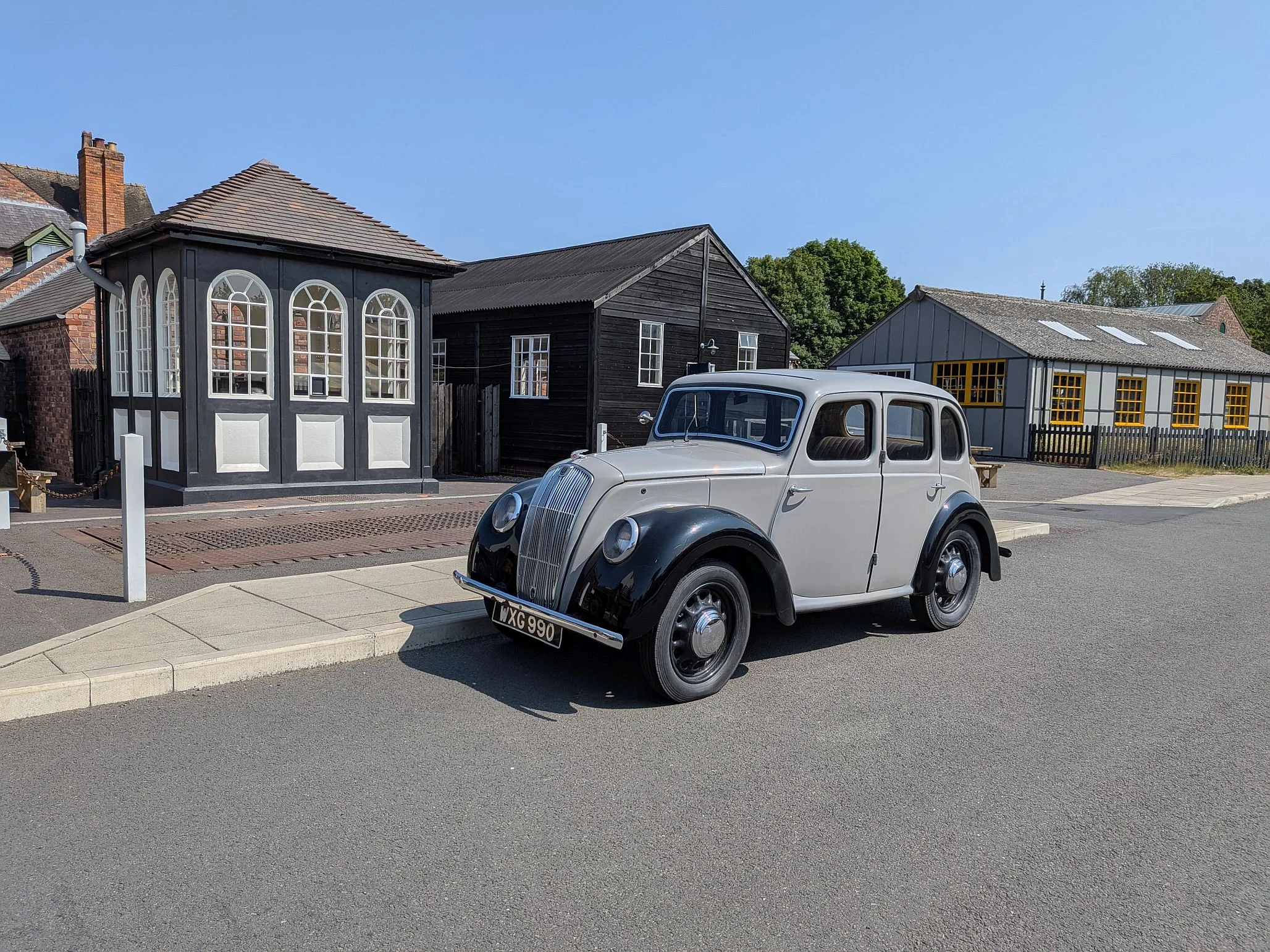
Morris 8 Slope Eye (1939): Black Country Living Museum
Click image to enlarge
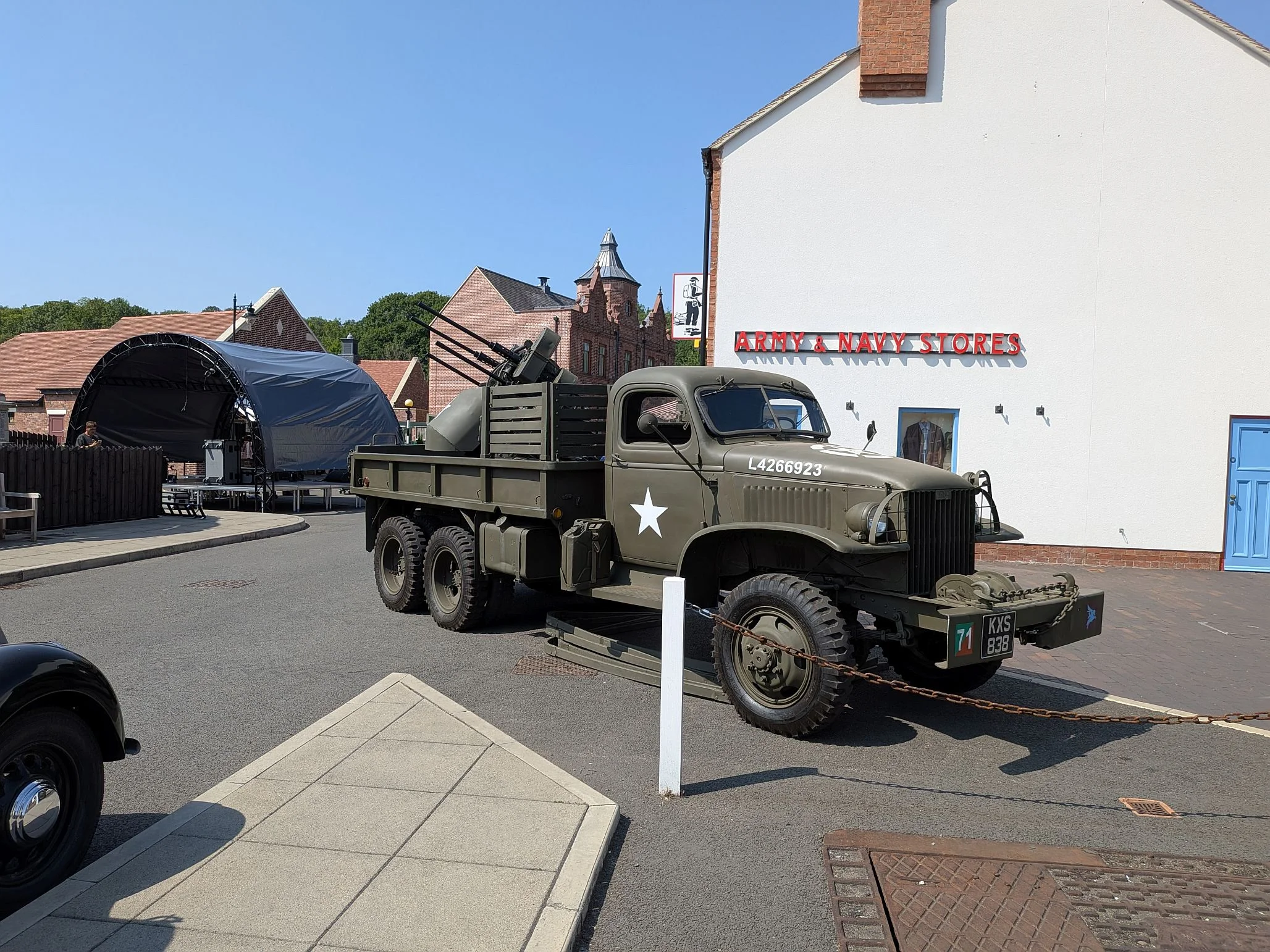
World War II GMC CCKW 353 truck: Black Country Living Museum
Click image to enlarge
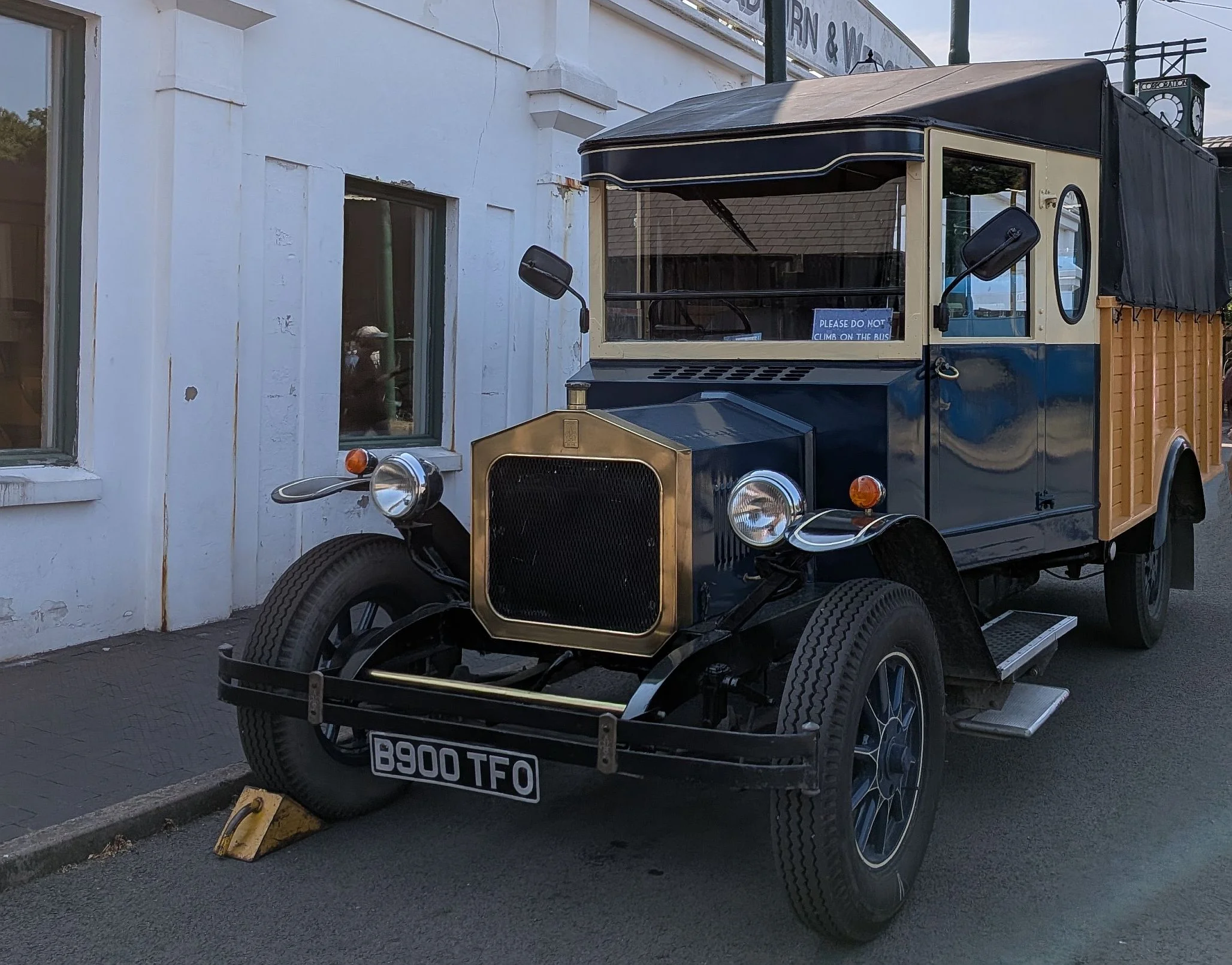
Retro-style Lincoln minibus (1985): Black Country Living Museum
Click image to enlarge
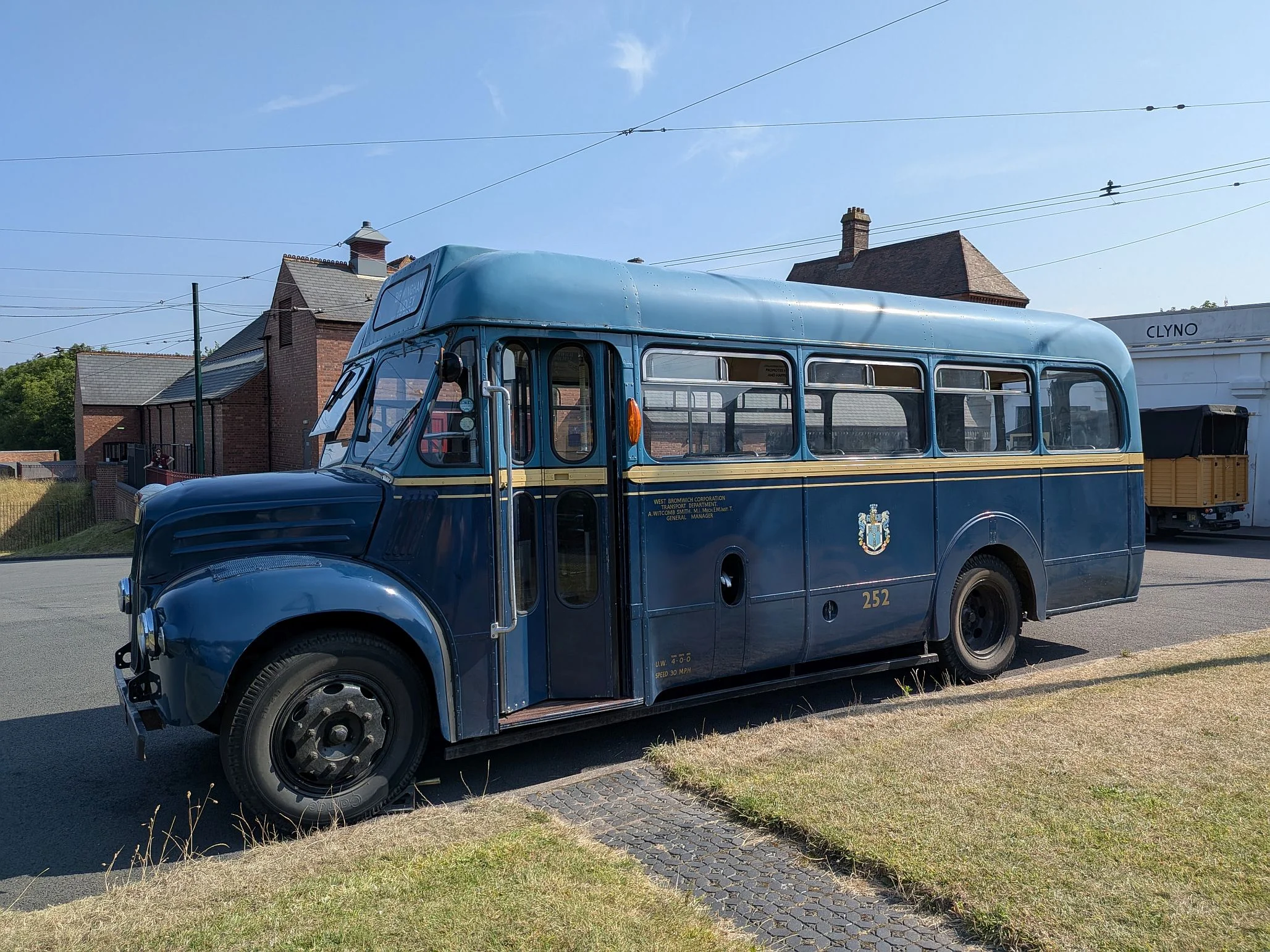
Guy Special reg. MXX 340: Black Country Living Museum
Click image to enlarge
Originally built as GS40 for London Transport. The “Guy Special” phased out by 1961. In 1963 it joined the West Bromwich Corporation as fleet number 252. It was the last bus to wear the Corporation’s colours before the fleet was absorbed into the West Midlands Passenger Transport Executive (WMPTE) and ended service in 1973.